
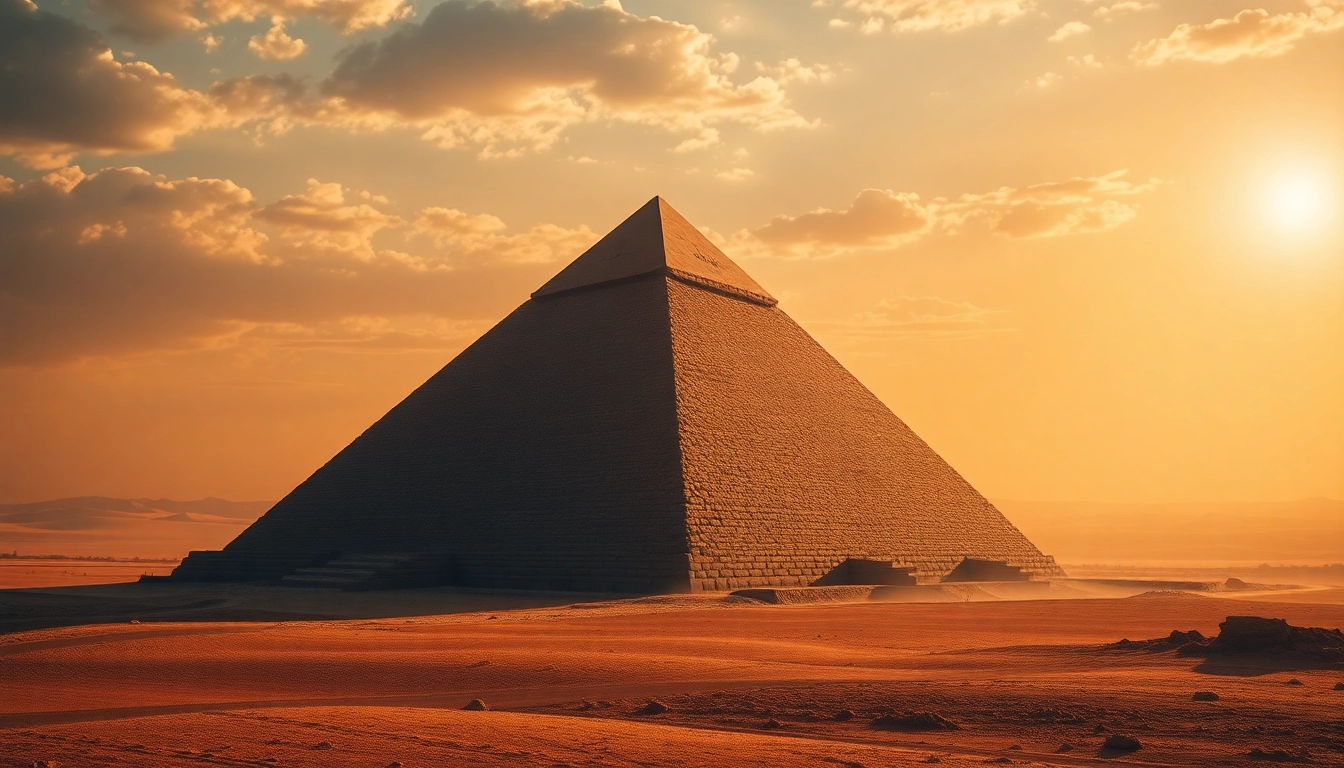
The Great Pyramid of Giza, one of the most iconic and enduring symbols of ancient Egypt, has captivated the imagination of historians, archaeologists, and tourists alike. Standing as a testament to architectural ingenuity and cultural richness of the ancient civilization, the Great Pyramid’s legacy continues to intrigue us today. To explore the depth of its significance, this article delves into its historical context, architectural marvel, and the ongoing fascination it holds in modern exploration. For further insights and understanding, you can visit https://piraminds.com/.
The Historical Significance of the Great Pyramid of Giza
Origin and Construction Techniques
The Great Pyramid of Giza, built during the Fourth Dynasty of the Old Kingdom of Egypt, dates back to approximately 2580–2560 BCE. It was commissioned by Pharaoh Khufu, also known as Cheops, and originally stood at 146.6 meters (481 feet), making it the tallest man-made structure for over 3,800 years. Its construction method has been the subject of extensive research and debate. Scholars believe that a workforce of tens of thousands—comprising skilled laborers, architects, and laborers—was organized to construct the pyramid. They utilized an array of ramps and levers to position the limestone blocks, each weighing several tons.
Cultural Importance in Ancient Egypt
The pyramid served not merely as a tomb but as a symbol of the pharaoh’s divine status. It represented a monumental project that needed the collaboration of the state, religion, and economy. The structure was part of a larger funerary complex that included mortuary temples and smaller pyramids for queens. The pyramid’s design, with its precise alignment to the cardinal points, reflects the Egyptians’ understanding of astronomy and their belief in the afterlife, signifying the pharaoh’s journey towards the stars.
The Role of the Pyramid in Pharaoh’s Afterlife
Pharaohs were considered gods on earth, and their tombs were designed to ensure a safe passage to the afterlife. The Great Pyramid was not only a burial place but also a ceremonial site where rituals were performed to help the pharaoh ascend to the heavens. Hieroglyphics found within the pyramid, such as the Pyramid Texts, provide insights into the Egyptian belief system, detailing spells and incantations meant to assist the deceased in their journey post-death.
Architectural Marvels of the Pyramid
Design Specifications and Layout
The design of the Great Pyramid is a stunning example of ancient architectural sophistication. The base covers over 13 acres, with each side measuring about 230.4 meters (756 feet). The pyramid’s perfect symmetry and the precision in the placement of stones are hallmarks of its construction. At its core, the pyramid consists of an array of chambers, including the King’s Chamber, Queen’s Chamber, and the Grand Gallery, each meticulously designed to contribute to the pyramid’s function as a royal tomb.
Materials Used in Construction
The primary material used for the construction of the Great Pyramid was limestone, quarried locally from the Giza plateau. The outer casing was made of Tura limestone, known for its high quality and reflective qualities, which gave the pyramid a brilliant white appearance in the sun. Granite, sourced from Aswan, was used for the inner chambers and the sarcophagus, reflecting the intricacy and grandeur intended for the pharaoh’s resting place.
Technological Innovations of the Era
The construction of the Great Pyramid utilized technologies and methodologies that were groundbreaking for its time. Innovations such as the use of lever systems, the incorporation of simple machines like ramps, and the organization of a large labor force showcased the Egyptians’ advanced understanding of engineering. These techniques have influenced structural engineering principles for centuries and remain a key focus for modern research on ancient construction.
Tourism and Modern Exploration
Visiting the Great Pyramid: Tips and Guidelines
The Great Pyramid of Giza is a major tourist destination, attracting millions of visitors annually. When planning a visit, it’s crucial to consider the best times for photography, crowd levels, and access options. Early mornings or late afternoons provide the best light for photos, while guided tours often enhance the experience with historical context. Visitors should consider wearing comfortable clothing and shoes suitable for walking on uneven terrain, and it is advisable to remain hydrated due to the desert climate.
Recent Discoveries and Archaeological Methods
Recent archaeological endeavors have revealed hidden chambers and openings within the pyramid, utilizing advanced scanning technologies such as muon tomography. These methods allow researchers to visualize structures without invasive digging, revealing new insights into how the pyramid was constructed and its true internal layout. Such discoveries continue to challenge existing theories and deepen our understanding of ancient Egyptian engineering.
Influence of Tourism on Preservation Efforts
While tourism is vital for the Egyptian economy, it also poses challenges for the preservation of the Great Pyramid. The increasing foot traffic can lead to wear and tear on the stones, necessitating ongoing restoration efforts. To mitigate this, authorities are implementing sustainable tourism practices that emphasize conservation, ensuring that visitors can enjoy the site while preserving its integrity for future generations.
Myths and Theories Surrounding the Pyramids
Common Misconceptions Explored
Many myths surrounding the Great Pyramid stem from misunderstandings about ancient Egyptian culture and civilization. One common misconception is that slaves built the pyramids, when in fact, most laborers were skilled workers hired for the royal project. Another myth is that the pyramid’s construction was completed in a short period, while evidence suggests it took over two decades to complete.
Theories on Pyramid Construction
The methods used to construct the Great Pyramid have led to various theories over time. Some suggest that a straight or circular ramp was used to transport the massive stones, while others propose a zig-zagging design. Recent studies also highlight the use of water-lubricated systems to reduce friction when moving heavy stones, though no single theory has been universally accepted. The ongoing investigation into these theories reflects the mysteries still surrounding the pyramid.
Influence on Pop Culture and Literature
The Great Pyramid has served as an inexhaustible source of inspiration in pop culture, appearing in films, literature, and artwork throughout history. From classic literature to modern films, the pyramid evokes themes of mystery, exploration, and the ancient world. Its enigmatic presence continues to fuel curiosity and creativity in storytellers and artists alike.
Frequently Asked Questions
What is the purpose of the Great Pyramid?
The Great Pyramid served as a monumental tomb for Pharaoh Khufu. It was designed to ensure his safe passage to the afterlife and to showcase his power and divine status.
How tall is the Great Pyramid of Giza?
Originally, the Great Pyramid stood at approximately 146.6 meters (481 feet) tall, but due to the loss of its outer casing stones over time, its current height is about 138.8 meters (455 feet).
What materials were used to build the Pyramid?
The main materials used were locally sourced limestone for the core and high-quality Tura limestone for the outer casing. Granite from Aswan was used for the internal chambers.
Who built the Pyramid of Giza?
The Great Pyramid was built under the reign of Pharaoh Khufu (Cheops) and involved a workforce of skilled laborers and craftsmen, not slaves, organized by the state.
Are there hidden chambers in the Pyramid?
Recent archaeological explorations have indeed discovered hidden voids and chambers within the Great Pyramid using advanced scanning techniques, indicating more secrets may still lie within.
