
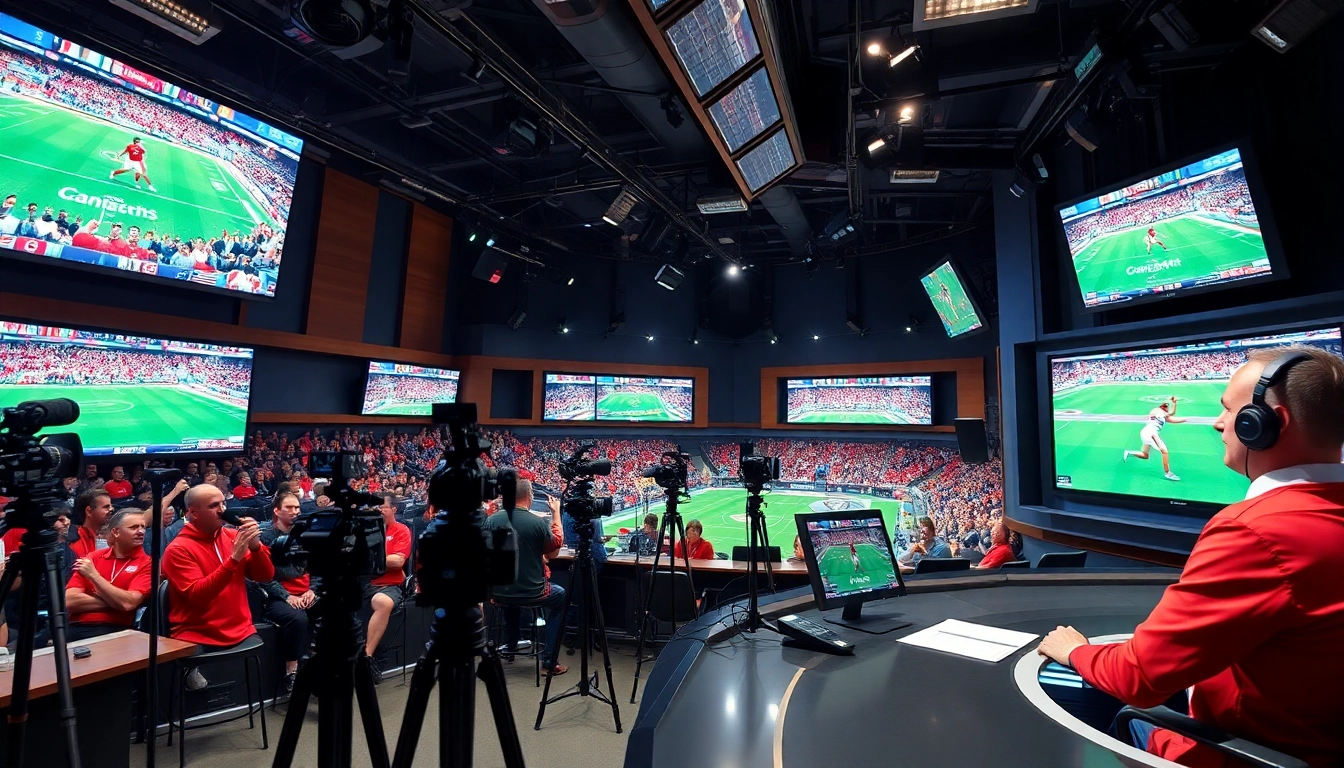
Understanding Sports Broadcasting
Definition and Importance
Sports broadcasting refers to the dissemination of live sports events and related content through television, radio, and digital platforms. It serves as a critical bridge connecting fans with their favorite teams and athletic events, facilitating engagement and entertainment. Beyond mere communication, it plays a pivotal role in the sports industry, influencing fan interactions, driving revenue, and shaping the overall viewer experience. The importance of understanding the fundamentals of Sports Broadcasting lies in its ability to enhance both the entertainment value and the commercial viability of sports.
Components of Sports Broadcasting
The landscape of sports broadcasting consists of various components that work together to create a cohesive viewing experience. These include:
- Production: This encompasses the technical aspects of broadcasting, including camera work, direction, and live editing, ensuring that the game’s flow is captured seamlessly.
- Commentary: Engaging commentary provides context and analysis, enriching the viewer’s understanding and enjoyment of the game.
- Graphics and Stats: Enhanced visual elements such as scoreboards, player statistics, and real-time updates serve to keep the audience informed and engaged.
- Distribution Channels: Various platforms, including cable, satellite, and online streaming, ensure that content reaches a broad and diverse audience.
Key Stakeholders in Sports Broadcasting
Sports broadcasting involves several key stakeholders, each playing a vital role in the ecosystem:
- Broadcasters: Entities that transmit sports content and negotiate rights to air specific events, such as major leagues or tournaments.
- Sports Teams and Leagues: Organizations that hold broadcasting rights and collaborate with broadcasters to deliver content to fans.
- Advertisers: Companies that sponsor broadcasts to reach the engaged audience, contributing significantly to the financial model of broadcasting.
- Viewers: The fans and audiences are at the heart of sports broadcasting; their preferences and feedback can shape broadcasting strategies.
Trends Shaping Sports Broadcasting
Rise of Streaming Services
The advent of streaming services has brought a paradigm shift in the way sports are consumed. Traditional cable subscriptions are declining as audiences increasingly prefer the flexibility and accessibility of streaming platforms. Fans now have on-demand access to live events and archived content, allowing for a personalized viewing experience based on their preferences. This trend has also led sports leagues to develop their own streaming platforms, bypassing traditional broadcast models to reach audiences directly.
Impact of Social Media
Social media platforms have transformed audience engagement by allowing fans to interact in real-time during live broadcasts. Teams and broadcasters utilize these platforms to share highlights, behind-the-scenes content, and engage directly with viewers, fostering community and conversation around events. This two-way communication enhances the viewing experience and provides essential feedback for broadcasters on viewer preferences.
Emerging Technologies in Sports Broadcasting
Emerging technologies such as augmented reality (AR), virtual reality (VR), and artificial intelligence (AI) are revolutionizing sports broadcasting. AR can overlay statistics during live games, while VR provides immersive viewing experiences, allowing fans to feel as if they are part of the action. AI drives data analytics, enabling broadcasters to personalize content and improve viewer engagement through tailored experiences based on viewer behavior.
Best Practices for Effective Sports Broadcasting
Engaging Content Creation
Creating engaging content is vital in maintaining viewer interest. High-quality production values, compelling storytelling, and dynamic commentary contribute to an immersive viewing experience. Successful broadcasters often incorporate fan interactions, such as live polls or social media integration, to create a participatory environment that enhances engagement.
Maintaining Audience Interaction
Audience interaction is essential in today’s sports broadcasting landscape. Broadcasters should leverage social media, live chats, and instant feedback mechanisms to keep viewers engaged. Establishing a dialogue with fans can help broadcasters understand their preferences and adjust content accordingly, ensuring a more personalized viewing experience.
Utilizing Data Analytics for Improvement
Data analytics plays a critical role in optimizing sports broadcasting strategies. By analyzing viewer data, broadcasters can identify trends, measure engagement levels, and assess the effectiveness of various content types. Implementing data-driven decisions not only helps in refining broadcast quality but also assists in targeting advertising and maximizing revenue potential.
Challenges Faced in Sports Broadcasting
Adapting to Changing Viewer Preferences
The rapid evolution of viewer preferences presents a significant challenge for sports broadcasters. Audiences increasingly demand authenticity, engaging narratives, and innovative content delivery methods. Broadcasters must continually adapt to these preferences or risk losing viewers to more agile competitors that cater to modern consumption habits.
Regulatory and Licensing Issues
Broadcasting rights and licensing agreements are complex and can change frequently, leading to potential content restrictions and availability issues. Navigating these legal frameworks requires a robust understanding of local and international regulations, ensuring that broadcasters adhere to all necessary requirements while maximizing audience reach.
Maintaining Quality in Multi-platform Broadcasting
As broadcasting expands across multiple platforms, maintaining quality can become challenging. Each platform may have different technical requirements, viewer expectations, and content formats. Broadcasters must invest in high-quality production and ensure that the overall viewing experience is consistent and engaging, regardless of the platform.
Future of Sports Broadcasting
Predictions for Upcoming Trends
The future of sports broadcasting is poised for transformative changes. As technology continues to evolve, expect an increase in interactive content that allows audiences to choose camera angles and control their viewing experience. New collaboration models between broadcasters and teams will also emerge, further blurring the lines between traditional broadcasts and digital experiences.
Role of Artificial Intelligence
Artificial intelligence is set to play an increasingly pivotal role in sports broadcasting. AI could enhance live productions through automated graphics, predictive analytics for viewer engagement, and even personalized content suggestions based on viewing behavior. These advancements promise to revolutionize how content is produced, distributed, and consumed.
Creating a More Personalized Viewing Experience
Future developments will likely focus on creating a highly personalized viewing experience for fans. By employing advanced analytics and AI, broadcasters can tailor content recommendations, offer unique viewing angles, and adapt to individual preferences. This personalized approach can enhance viewer satisfaction and loyalty significantly.
Frequently Asked Questions
What is sports broadcasting?
Sports broadcasting refers to the dissemination of sports events and related content via television, radio, or online platforms, designed to inform, entertain, and engage audiences.
How has streaming impacted sports broadcasting?
Streaming has transformed sports broadcasting by enabling on-demand access, allowing fans to watch events live or catch up later, thus increasing audience reach and engagement.
What are the key technologies in sports broadcasting?
Key technologies include high-definition cameras, advanced graphics software, streaming platforms, and real-time data analytics tools that enhance viewer experience and engagement.
What challenges do broadcasters face today?
Broadcasters face challenges like changing viewer preferences, competition from streaming services, and complex licensing agreements which can impact content availability.
What is the future of sports broadcasting?
The future may focus on personalization through AI, immersive experiences with virtual reality, and interactive elements, creating a more engaging viewing experience for fans.