
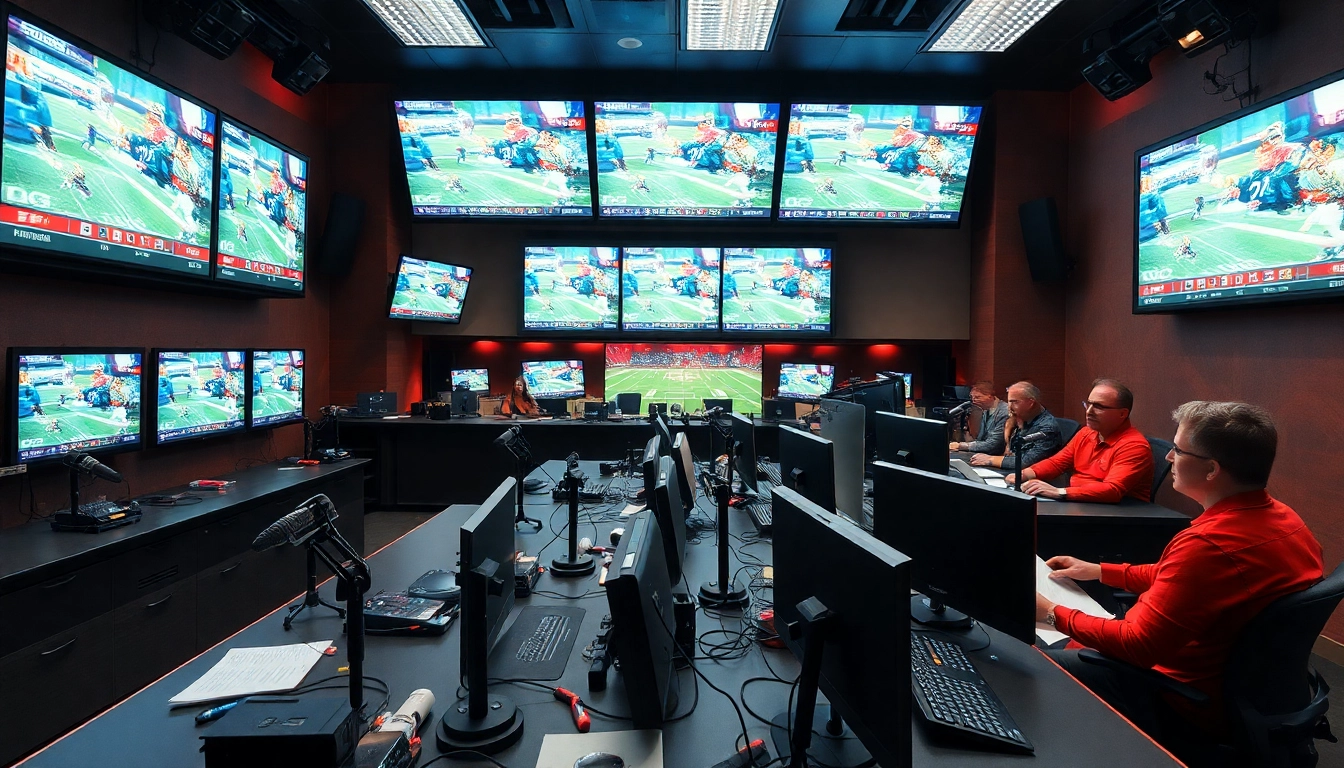
Introduction to Sports Broadcasting
Sports broadcasting has undergone a remarkable transformation over the past few decades, evolving into a multifaceted industry that captivates millions worldwide. Understanding the intricacies of Sports Broadcasting is essential for both aspiring broadcasters and seasoned professionals. In this comprehensive guide, we’ll delve into the various aspects of sports broadcasting, from foundational concepts to emerging technologies and trends that are shaping the future.
Understanding Sports Broadcasting
Sports broadcasting primarily conveys live or recorded sporting events to audiences through various platforms. This industry encompasses television, radio, online streaming, and social media, ensuring that fans can engage with their favorite sports anytime, anywhere. The primary goal of sports broadcasting is not only to deliver the event but also to provide context, analysis, and entertainment that enrich the viewing experience.
Importance of Sports Broadcasting in Modern Media
The importance of sports broadcasting cannot be overstated. It acts as a vital link between athletes and fans, fostering a sense of community and shared experience. Furthermore, it contributes significantly to the economy through advertising, sponsorships, and merchandise sales. In many cases, successful sports broadcasting has propelled women’s sports and lesser-known athletes into the spotlight, creating a more inclusive sporting environment.
Key Technologies in Sports Broadcasting
The evolution of technology has played a pivotal role in transforming sports broadcasting. Innovations such as high-definition video, instant replay, and 360-degree views enhance the audience’s experience. From cloud-based broadcasting to advanced graphics and data analytics, these technologies have revolutionized storytelling in sports, providing viewers with perspectives previously unimaginable.
Genres and Formats in Sports Broadcasting
The landscape of sports broadcasting is incredibly diverse. Different genres and formats cater to various segments of the audience, ensuring that every fan can find their niche.
Different Types of Sports Broadcasting
- Live Broadcasting: This involves the real-time transmission of sports events, providing viewers with the thrill of experiencing the game as it unfolds.
- Pre-recorded Broadcasting: These programs often include highlights, analysis, and commentary, allowing for a more in-depth exploration of sports narratives.
- Documentary-style Programming: These broadcasts tell the stories of athletes, teams, and moments that have shaped the sports world.
- News Shows: Delivering the latest updates, score reports, and interviews, sports news shows maintain fan engagement during off-seasons.
- Esports Broadcasting: As competitive gaming gains traction, esports broadcasting encompasses live streams and commentary on games, similar to traditional sports.
Live vs. Pre-recorded Broadcasting
Live broadcasting offers viewers immediate access to the action, enhancing excitement and engagement. It often features spontaneous moments that can’t be replicated. Pre-recorded broadcasts, however, provide an opportunity for thorough analysis and context that can enrich the viewer’s understanding. Balancing both types can cater to different audience preferences.
Emerging Trends in Sports Broadcasting Formats
As technology evolves, so do broadcasting formats. Interactive broadcasts, where viewers can choose camera angles or interact with commentators, are becoming increasingly popular. Additionally, platforms like social media are creating new venues for sports content, allowing fans to engage in real-time discussions and share their experiences.
Production Techniques for Effective Sports Broadcasting
A successful sports broadcast relies on a blend of clever production techniques, well-chosen equipment, and the creative vision of directors and producers.
Essential Equipment for Sports Broadcasting
Key equipment in sports broadcasting includes high-definition cameras, microphones, and broadcasting software. Cameras capable of slow-motion and aerial views enhance viewer experience, while advanced audio setups ensure clarity in commentary and ambient sounds. Additionally, graphics and data visualization tools are essential for enhancing storytelling through visual elements.
Role of Directors and Producers
In sports broadcasting, directors and producers are responsible for shaping the narrative and ensuring a seamless flow of the broadcast. They coordinate camera angles, manage transitions, and oversee the crew to deliver a polished presentation. Their roles are crucial in making decisions that impact the viewer’s experience, turning a live game into a captivating story.
Visual Storytelling in Sports Broadcasting
Visual storytelling effectively communicates the excitement and drama of sporting events. This involves capturing key moments, player emotions, and the atmosphere of the venue. Techniques such as using slow motion for dramatic plays, close-ups for athlete reactions, and captivating graphics can elevate a broadcast from ordinary to extraordinary.
Audience Engagement Strategies in Sports Broadcasting
Engaging viewers goes beyond merely broadcasting a game; it involves creating an interactive and participatory experience that resonates deeply with audiences.
Utilizing Social Media for Enhanced Engagement
Social media platforms are vital for enhancing audience engagement. Broadcasters can utilize these platforms for real-time updates, behind-the-scenes footage, and fan polls. Engaging fans through comments and shares establishes a community around the sport, making viewers feel part of the experience.
Interactive Features and Fan Participation
Interactive features such as live polls, trivia games, and fan chats allow viewers to participate actively during broadcasts. Fans can share their opinions and predict outcomes, fostering a sense of involvement and investment in the event.
Analyzing Viewer Metrics and Feedback
Analyzing viewer metrics is crucial for understanding audience preferences and behaviors. Ratings, comments, and social media interactions provide insights that can help producers and broadcasters refine their strategies and content offerings. Tailoring broadcasts based on viewer feedback enhances satisfaction and loyalty.
Future of Sports Broadcasting
The future of sports broadcasting is both exciting and challenging, with ongoing innovations and transformations set to redefine the industry.
Innovations Shaping the Future of Sports Broadcasting
Technological advancements are continuously changing how sports broadcasting is delivered. Artificial intelligence and machine learning are starting to influence content personalization, while augmented reality enhances viewer engagement through immersive elements. These innovations promise to create richer viewing experiences for fans.
Challenges Ahead for Sports Broadcasting Professionals
The sports broadcasting industry faces several challenges, including adapting to rapidly changing technology, maintaining viewer loyalty, and navigating the complexities of rights management and distribution. Broadcasters must also consider inclusivity and accessibility to reach wider audiences.
Opportunities in Virtual and Augmented Reality Broadcasting
Virtual and augmented reality present significant opportunities for sports broadcasting. These technologies can offer fans unprecedented viewpoints, from being virtually present at events to interactive fan engagements. As these technologies mature, they will reshape how audiences experience sports events, providing more immersive and engaging broadcasts.
Frequently Asked Questions
What is sports broadcasting?
Sports broadcasting refers to the transmission of live or recorded sporting events through various media channels, including television, radio, and online platforms.
How has technology changed sports broadcasting?
Technology has enhanced sports broadcasting by providing high-definition visuals, interactive features, and real-time data analytics, improving the overall viewing experience.
What are the different formats in sports broadcasting?
Formats include live broadcasts, recorded shows, news updates, documentaries, and esports coverage, catering to a range of audience interests.
How can social media enhance sports broadcasting?
Social media can increase engagement by providing real-time updates, fostering community interaction, and allowing fans to share their experiences during broadcasts.
What challenges does the sports broadcasting industry face?
Challenges include staying current with technology, managing audience expectations, navigating broadcasting rights, and ensuring inclusivity in content delivery.